Fly A Kite

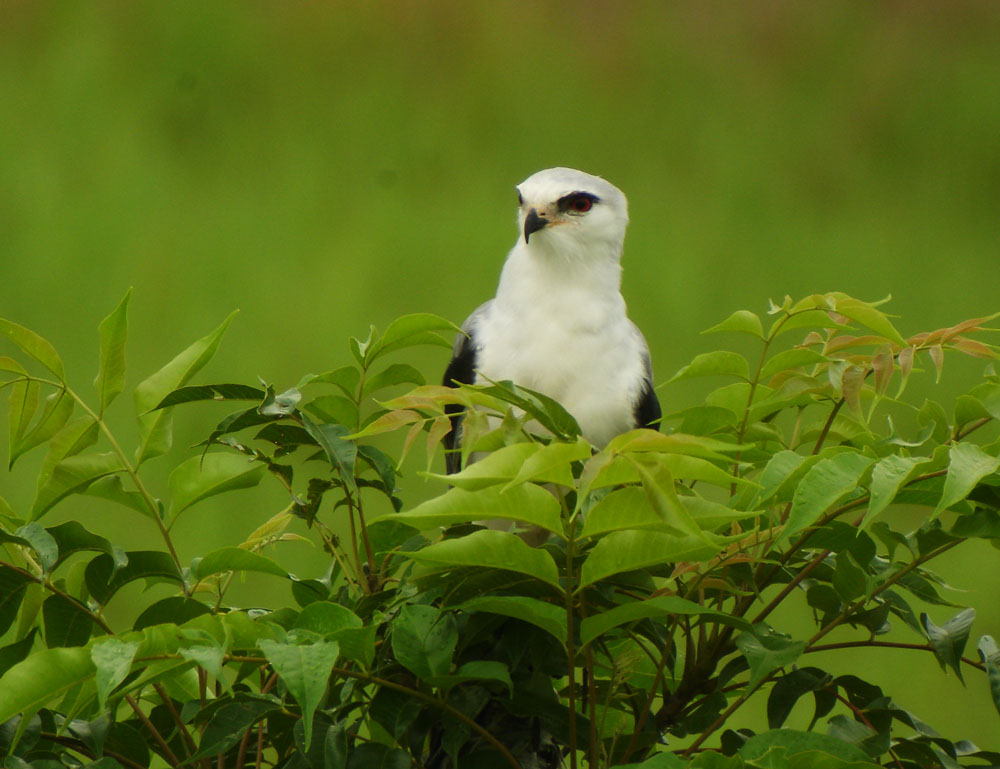
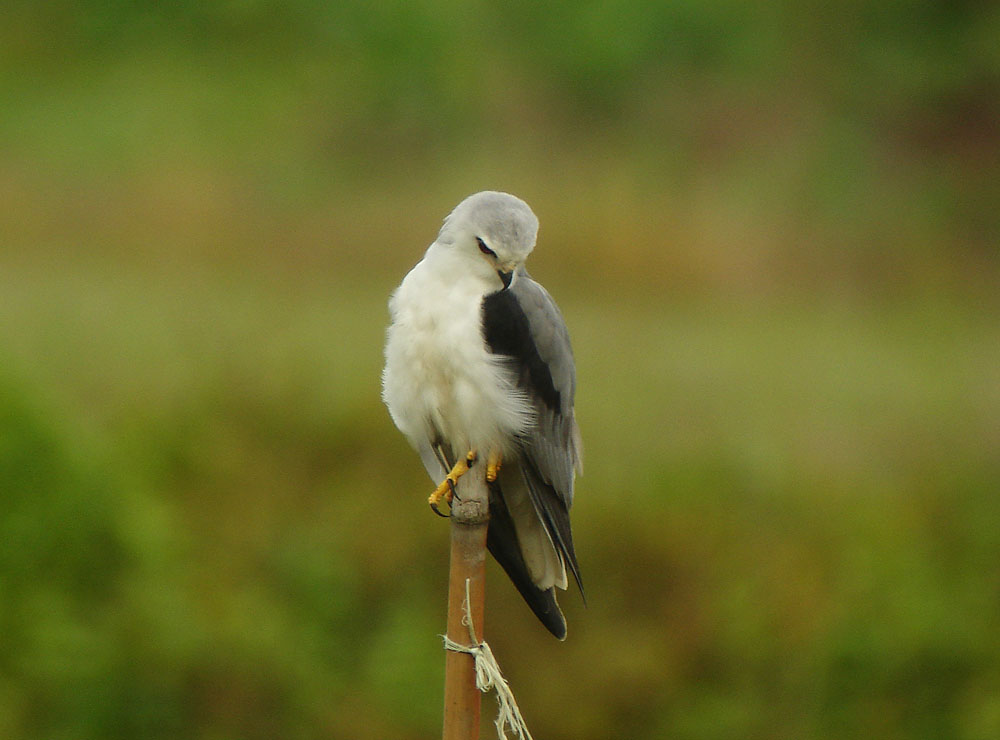
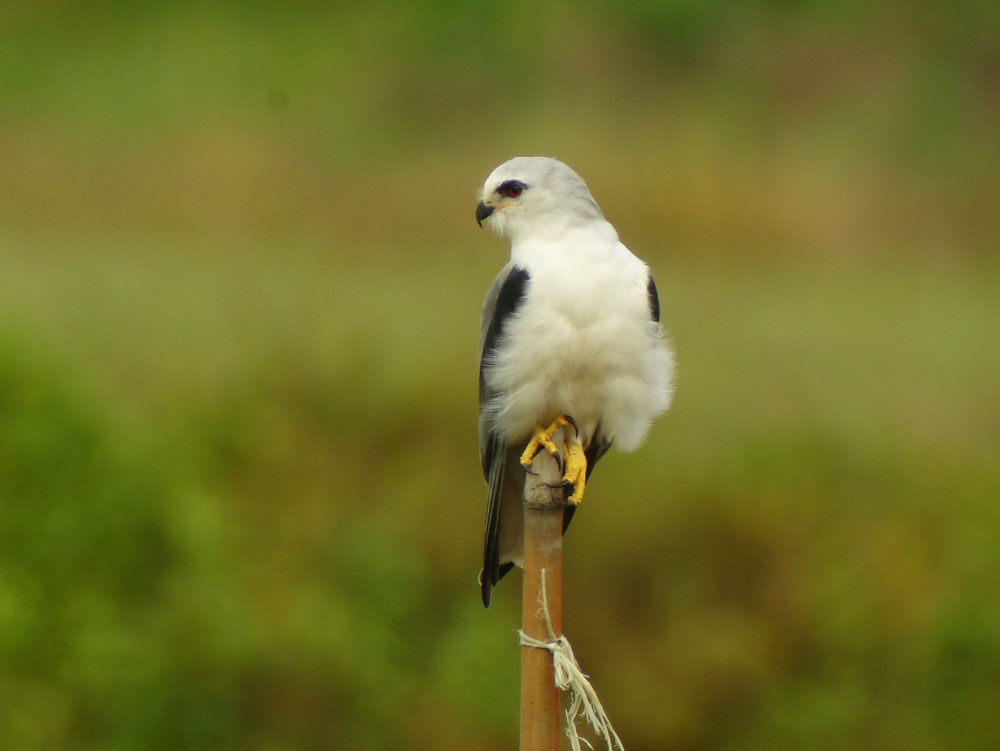
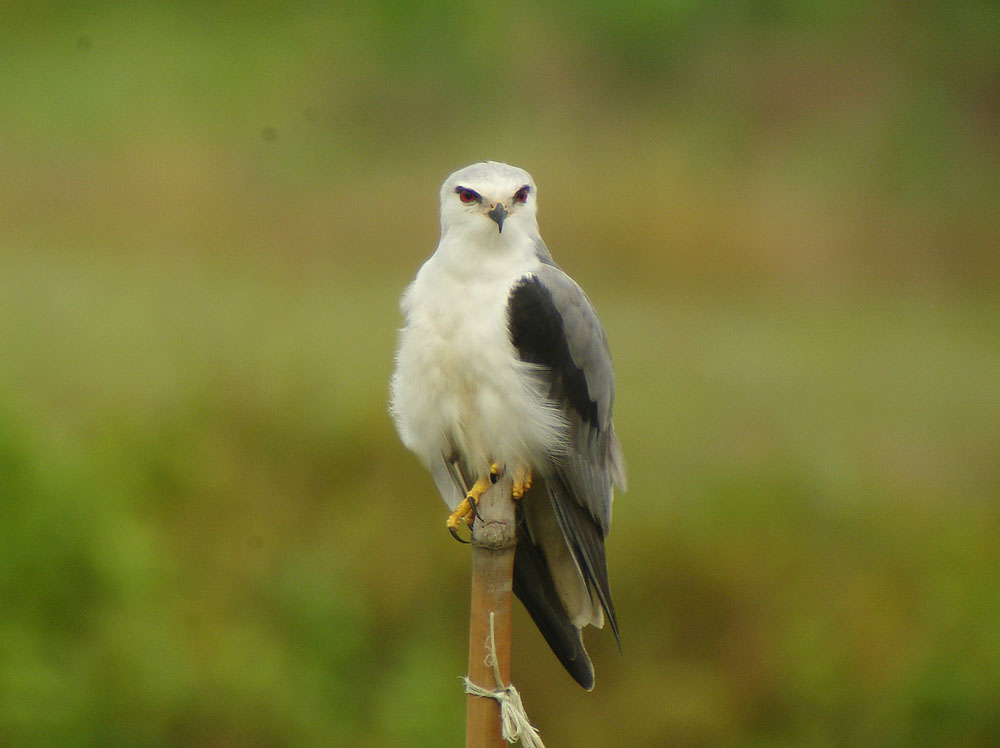
Black-Shouldered Kite by Ck Leong

We just have to admit that it is so much easier to see the Black-Shouldered Kite Elanus caeruleus now than say 20 years ago. Unfortunately this expansion of both range and number could be due to increased cultivation and turning of forest into scrub and grassland. Whatever it might be, it is always a joy to see this bird hovering and gliding in its search for prey. A friend once told me that these kites have evolved from a previous generation of owls. Comments?

Black-Shouldered Kite by Ck LeongBlack-Shouldered Kite by Ck LeongBlack-Shouldered Kite by Ck Leong

Another King

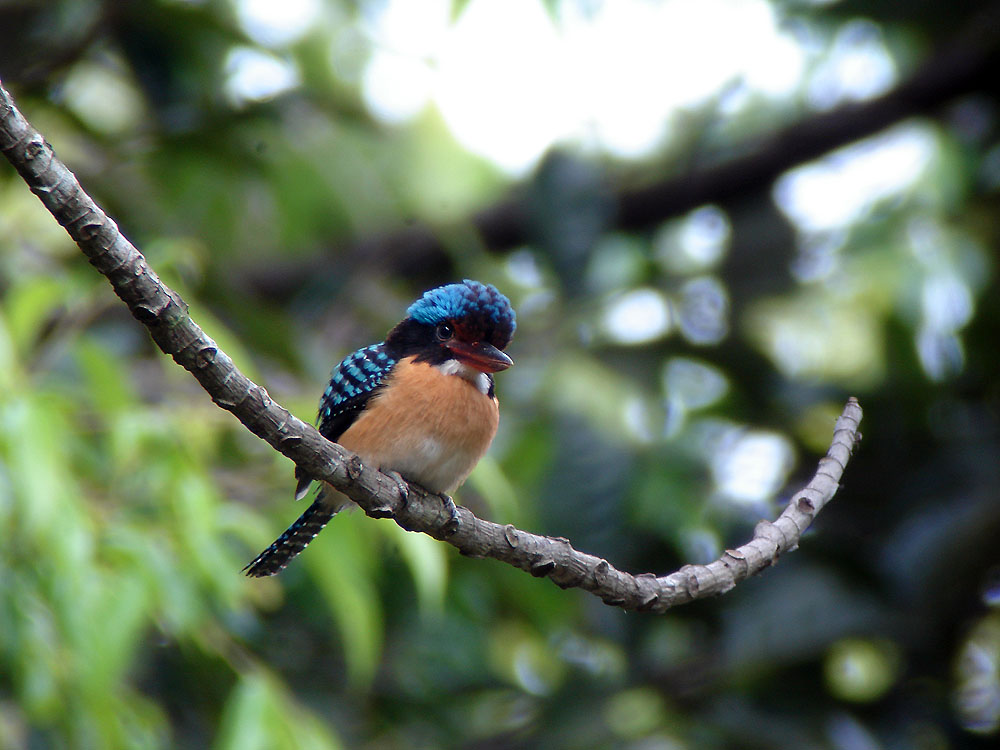
Banded Kingfisher by Ck Leong

Another of these wonderful forest kingfishers decided to make an appearance on an otherwise slow morning at the Sugud Recreation Forest near Kota Kinabalu. It was after I missed a single male Cinnamon Headed Pigeon which flashed across the path. This male Banded Kingfisher was much more accomodating and perched on a dried branch for all to see. It was just fantastic to watch this king when the head feathers were all puffed out making it looked like something quite different.

Kingfishers in the Forest

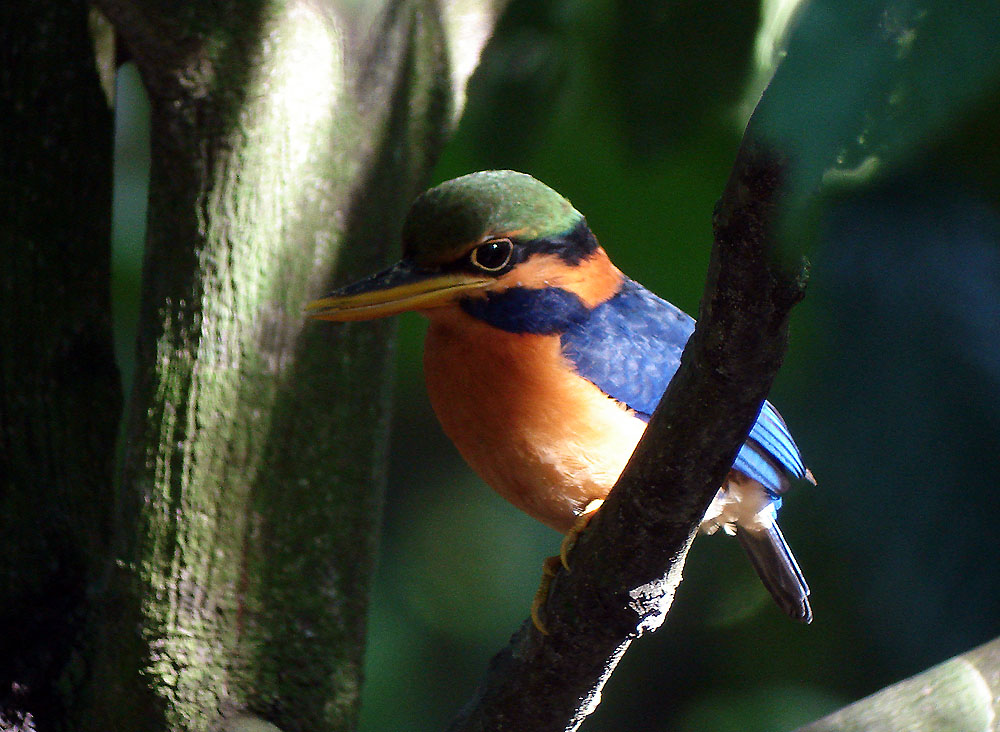
Rufous-Collared Kingfisher by Ck Leong

The previous afternoon at Sepilok RDC (in Sandakan, Malaysia) we saw a beautiful Black-Backed Kingfisher. This morning as we passed the same area again, I just said 10 points for a kingfisher. Sean took about 3 seconds and came out “I’ve got it”. We turned our binoculars into a dark patch of greenery. Sure enough there was a kingfisher. Out came the scope. That’s not just a kingfisher, that’s a Rufous-Collared Kingfisher! This fantastic forest dweller stayed long enough for this picture. That’s 20 points for you, Sean!

Montane Spectacle

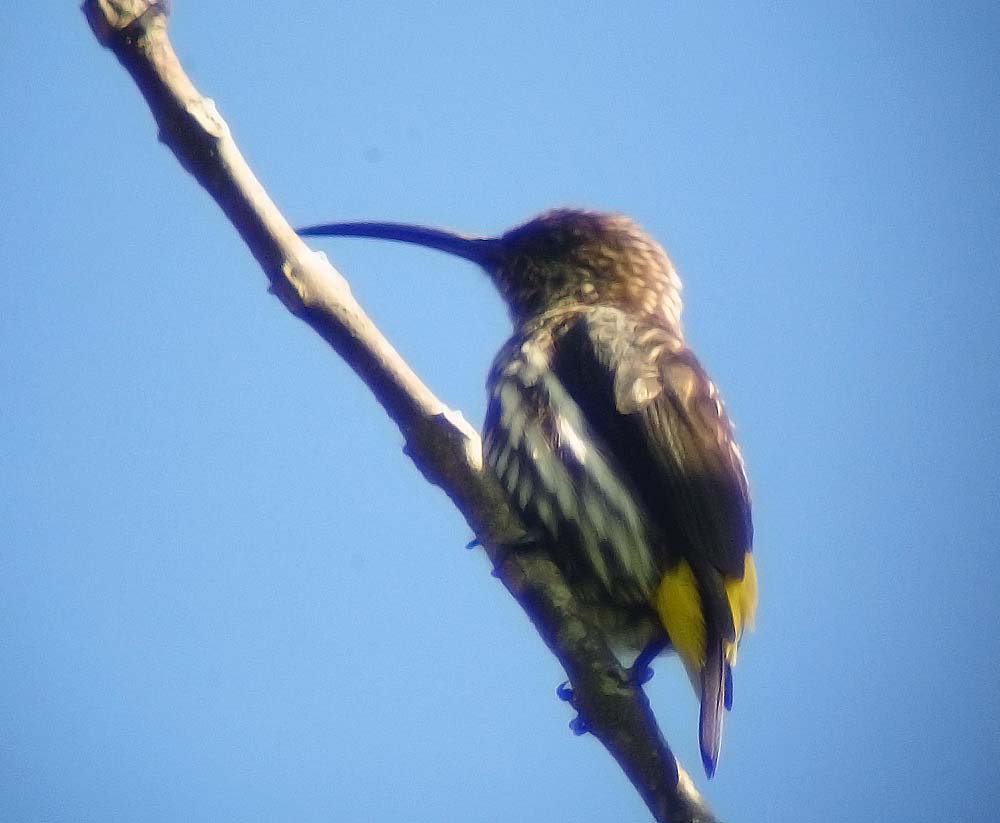
Whitehead’s Spiderhunter by Ck Leong

Whitehead’s Broadbill by Ck Leong

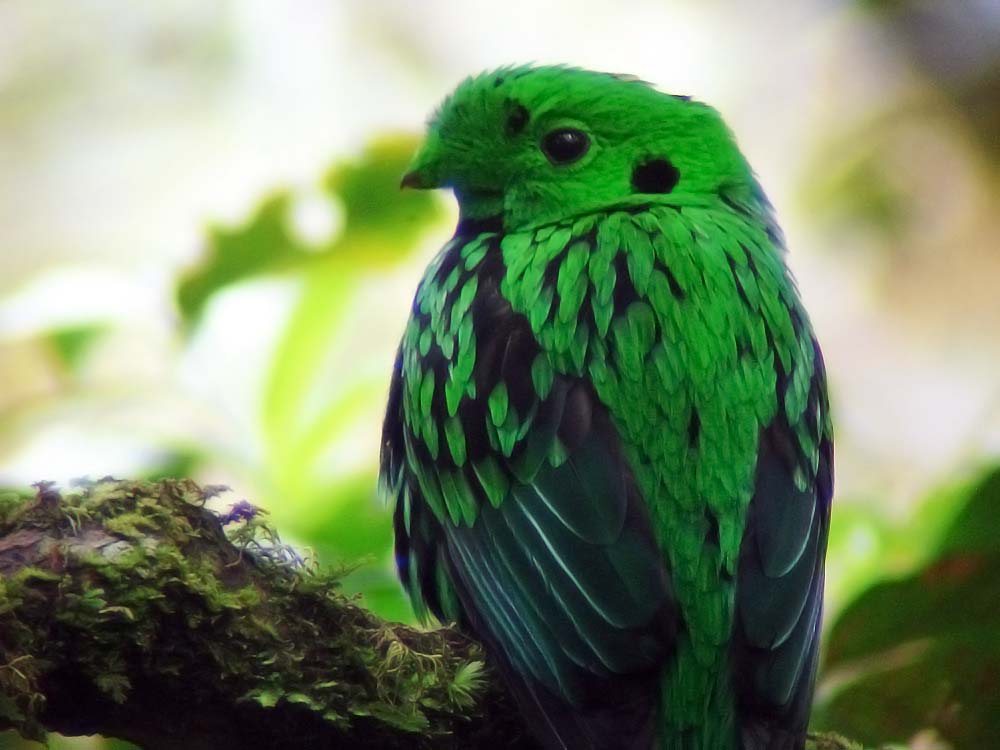
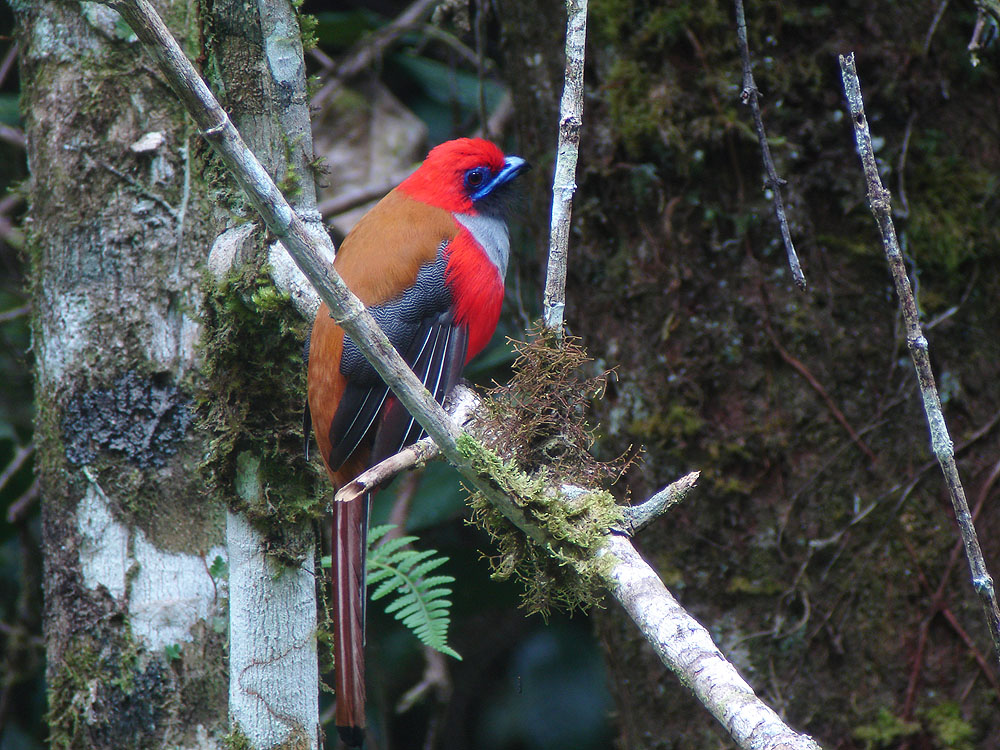
Everybody wants them. Most birders visiting Mt Kinabalu put them at the top of their want lists. Yes, the three Whitehead’s birds. Unfortunately getting all three on the same visit takes a lot of legwork and a good amount of luck. And all are increasingly harder to find.

Whitehead’s Trogon by Ck Leong

Birding in Borneo

The island of Borneo, the third largest in the world, has 620 recorded birds of which 44 are endemics. The Malaysian state of Sabah offers easy access to most of these birds.

Visiting birders will most probably arrive at Kota Kinabalu, the capital city of Sabah and start their quest from here. This city of about half million residents is served by various airlines from different points within Malaysia, from around South East Asia and Hongkong, China, South Korea and Japan. Once arrived here, it’s time to go birding.

This is a land of great geographical contrasts, from coastal mangrove habitats to lowland rainforest dominated by tall dipterocarp trees, to the montane oak vegetation of Mt Kinabalu and the Crocker Range.

Birding in tropical Sabah (lying 4 to 7 degrees north of the Equator) has a great deal of relevance to the weather and the vegetation. Tall trees up to 80m strain your neck muscles while thick foliage, constant humidity and friendly leeches add to test the determined birdwatcher. Sometimes you get a break with fruiting and flowering trees attracting species which you would otherwise have to work hard for. First time visitors will be amazed by the volume and variety of the forest sound. Cicadas, frogs, squirrels and co. compete with barbets, babblers, laughing thrushes and hornbills for your attention.

The added bonus of birding here is that most of the birding spots share habitat with many of Borneo’s varied flora and fauna.