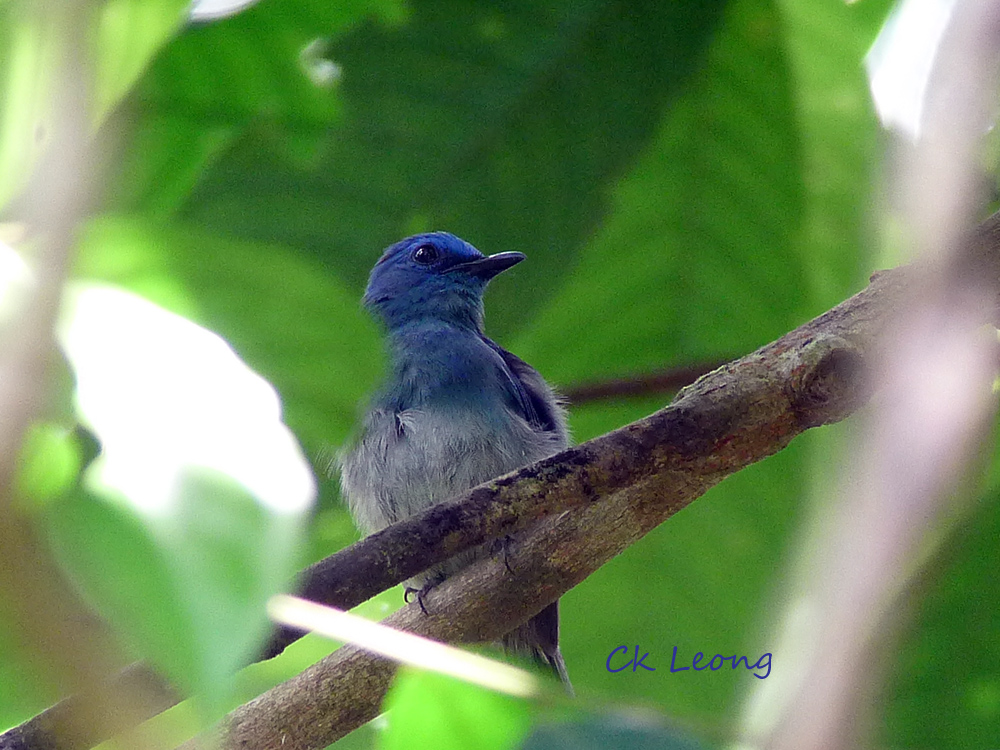
Blue-banded Kingfisher

Blue-banded Kingfisher male

Blue-banded Kingfisher female


The Blue-banded Kingfisher Alcedo euryzona is probably the least common of the resident kingfishers in Borneo.  It prefers flowing clear rocky streams in hill forests which by themselves are increasingly harder to find.  It has the ability to stand in gentle flowing water, allowing it to perch on wet rocks while waiting for fish and other aquatic prey.  You would probably have more joy seeing this behavior after some rain when water levels are higher and fish are more active.

Brown-throated Sunbird

The Brown-throated Sunbird Anthreptes malacensis is a common sunbird of gardens and secondary forests.  As with all sunbirds you will need a good dose of sunlight to see its brilliance.  The female is plain olive-greenish and best identified by the yellow around the eyes.

Chestnut-winged Babbler

The Chestnut-winged Babbler Stachyris erythroptera is probably the most common babbler in Borneo.  It moves around in small groups in both primary and secondary lowland forest with a preference for the lower canopy.  Individuals keep in touch by their soft rolling calls while moving through the vegetation.

Sunda Scops-owl

Sunda Scops-owl

Sunda Scops-owl

The Sunda Scops-owl Otus lempiji is probably the most common owl found in disturbed lowland forest throughout Sabah.  It is best located by listening for its whooping single call uttered at intervals of between 8 to 15 seconds.  Its size (20-23cm) might give you some difficulty in locating it though it responds readily to calls.

Taking photos of the bird in the dark required some luck (the bird stayed!).  Thanks to Brigitte, who provided the very necessary lighting assistance.  The red eyes in the photos are due to the reflection of the torch light.


Olive-winged Bulbul

The Olive-winged Bulbul Pycnonotus plumosus is a common bulbul found in the lowlands and offshore islands but could be very easily misidentified.  The olive fringes on the wings may not be visible in low light while the Red-eyed and Cream-vented bulbuls also display red iris.  I find the quicker way is to look for the streaking on the ear coverts.